
When physical distance outlasts emotional apologies
You've made up. The words happened. Maybe flowers arrived. Maybe you both cried. And yet your body hasn't caught up. That gap between "we're okay now" and actually feeling okay together is real, and it's where most couples get stuck.
After conflict, reconnecting sexually isn't just about proving you're still attracted to each other. It's the fastest way your nervous system learns that safety has been restored. But here's the catch: that reconnection often stalls because trying too hard makes it worse. You need a bridge between apology and genuine pleasure. That's where lemon vibrators fit in a way that surprises most people.
Why traditional "makeup sex" doesn't always work
The cultural narrative says tension resolves through passionate sex. Sometimes it does. But more often, both partners are still in a low-level stress state. Your body doesn't relax on command, and neither does your partner's. If you jump straight to typical intercourse or partner sex, you're layering expectation and pressure onto bodies that are already braced.
That's the opposite of intimacy.
What actually helps is pleasure that doesn't demand performance. No "we should" or "I have to prove something." Just sensation, no stakes. This is where self-pleasure with a partner present enters the picture, and clitoral vibrators change the dynamic entirely.
How lemon vibrators create a different kind of reconnection
I work with couples weekly on this exact moment. The breakthrough happens when one partner uses a lemon clitoral vibrator while the other watches, touches, or simply sits with them. It sounds simple. It's actually profound for three reasons:
1. Pleasure is independent of the relationship tension. When you're using a lemon vibrator, you're not waiting for your partner to perform. You're not checking in on whether they're still annoyed. The suction sensation is reliable, consistent, and yours. That autonomy is a permission slip. It tells your nervous system: "I can feel good right now, regardless."
2. Vulnerability rebuilds trust faster than reassurance. Showing your partner your own pleasure, without needing them to cause it, is a different kind of intimacy. You're saying, "I trust you to see me at my most unguarded." That's harder than intercourse. And that's exactly why it works.
3. Physical pleasure interrupts rumination. Your brain can't simultaneously hold a grudge and process intense sensation. When you're focused on the building pressure and release of suction stimulation from a lemon vibrator, the background chatter about the fight quiets. Your partner, watching, gets the same break. You're both temporarily suspended from conflict into something that feels safer.
The practical choreography that actually works
I recommend starting with what I call "parallel presence." You're in the same room, maybe the same bed, but the vibrator is entirely for your own pleasure. Your partner isn't inside you, isn't penetrating, isn't "helping." They're simply there.
You might start with clothes on. Seriously. The friction of fabric plus the suction of a lemon vibrator creates a gentler entry point than direct stimulation. Use a pattern between 1 and 3 if you're using The Lem. Let yourself take five, ten, fifteen minutes to actually feel pleasure rather than perform it.
Your partner can touch your arm. Kiss your shoulder. Hold your hand. Those micro-connections matter more than you'd expect because they're optional. You can ask for them or ask them to stop. That reclaimed agency is the actual medicine.
When both partners use lemon vibrators together, something else happens. There's less comparison, less performance anxiety. You're both in your own body, and that somehow creates more connection than traditional sex sometimes does. The goal isn't synchronization. It's permission.
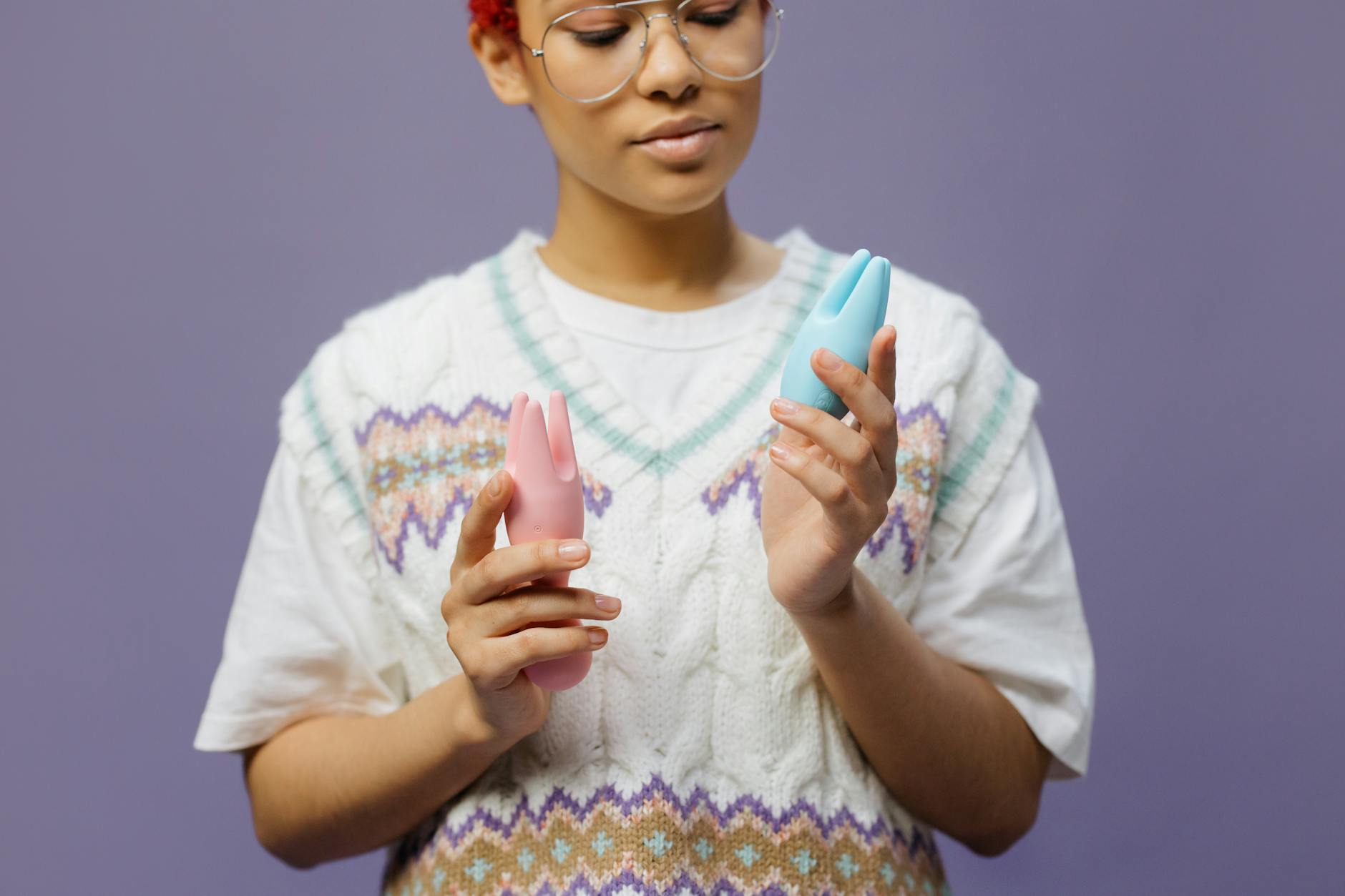
Photo by cottonbro studio on Pexels
What changes when you use clitoral vibrators after conflict
Most couples report that pleasure becomes easier sooner when vibrators are in the picture. This isn't because the vibrator "does the work." It's because you're not negotiating two different nervous systems in real time. Your partner doesn't have to read your body and adjust. The lemon vibrator's suction is calibrated. You control the intensity. That reduces the subtle anxiety that follows an argument.
There's also something that happens neurologically when you experience genuine pleasure in your partner's presence. Your brain releases oxytocin, the bonding chemical. But more importantly, you're establishing a new memory. Post-conflict pleasure becomes the thing you remember more strongly than the fight itself. It's not about forgetting. It's about weighting.
One client told me that after she used her lemon vibrator with her partner nearby for the first time after an argument, she cried a little afterward. She said it was the first time since the fight that she felt both safety and desire at the same time. That emotional release is not weakness. It's integration. Your body finally believes the conflict is over because it's experiencing good things again in that person's presence.
When reconnection needs more than vibrators
There's an important caveat. If the conflict was about broken trust, infidelity, or a pattern of harm, vibrators are a tool for the later phases of repair, not the beginning. You need conversation, possibly professional help, and genuine change first. Pleasure doesn't erase damage. It can't.
But if the conflict was the normal friction of partnership. A misunderstanding that turned sharp. A stressful week where you both were short. An argument about something real but ultimately resolvable. Then yes, reconnecting your bodies before you're sure your minds have fully healed is actually wise. Pleasure is information. It tells you and your partner that reconnection is possible.
The lemon difference
Why specifically a lemon clitoral vibrator instead of other toys. Suction-based stimulation bypasses the pressure and friction that can feel aggressive when you're already emotionally tender. The sensation is different. It's enveloping rather than prodding. For people rebuilding trust, that gentleness matters. How to Use Lemon Vibrators When You Have Difficulty with Arousal speaks to this dynamic in more detail.
The Lem's different patterns also let you modulate intensity without stopping. You can start low, stay there as long as you need, and move up only when your body signals readiness. That pacing matters after conflict because your nervous system needs proof that it can slow down at any moment. Control is trust. The vibrator hands it back to you.
Moving from reconnection to rebuilt intimacy
This isn't a one-time fix. Using a lemon vibrator once after a fight doesn't solve the communication issues underneath. But it does reset the physical baseline. From there, other kinds of intimacy become easier. You might find that how lemon vibrators help rebuild pleasure after years of low desire resonates too, because rebuilding after conflict shares some of the same psychological terrain as rebuilding after long periods of disconnection.
The couples I work with who move through conflict most gracefully are the ones who can separate the emotional repair from the physical reconnection. They apologize, they listen, they make changes. And simultaneously, they create small moments of physical pleasure that aren't conditional on the apology being perfect. Vibrators give you permission to do that without it feeling hollow. You're not skipping over the hard work. You're helping your body catch up to the conversations happening in your mind.
FAQ: Restoring Intimacy After Relationship Conflict
What if my partner feels uncomfortable watching me use a lemon vibrator?
That discomfort often isn't about the vibrator. It's about feeling left out or worried you're upset with them. Start a conversation not during sex. Explain that this is about you reconnecting with your own pleasure in a low-pressure way. You could also offer to watch your partner, creating symmetry. Many people feel less awkward when the vulnerability is mutual. If the discomfort persists, it's worth exploring together or with a couples therapist, because difficulty with partner self-pleasure sometimes points to deeper control issues or shame that deserve attention.
Should we use a lemon vibrator during actual partnered sex after a fight?
Not necessarily right away. Let the vibrator be a bridge activity first. Self-pleasure with them present, or parallel pleasure where you both use toys independently. Once that feels natural and reconnects you, adding it to partnered sex is an option. But forcing it into intercourse before you're both genuinely ready adds pressure, not ease.
How long should I wait after a major conflict before trying to reconnect sexually?
There's no universal timeline. The question isn't really about days. It's about whether both partners feel safe again. That might be hours after a small argument. It might be weeks after a serious breach of trust. Pay attention to your body. If you feel braced or checked out, more time is needed. If you feel curiosity or desire creeping back in, you're ready to try reconnection with a lemon vibrator.
Can using a clitoral vibrator together actually improve our relationship?
It can improve the physical and emotional reconnection piece, which matters. But vibrators aren't relationship therapists. If you're fighting about deeper incompatibilities, or if one partner is consistently dismissive, a vibrator won't fix that. It can create a moment of closeness that gives you space to address the real issues. That's valuable. It's just not a solution on its own.
What if I don't feel pleasure after conflict for a while?
That's completely normal. Emotional stress genuinely mutes physical sensation. You might use a lemon vibrator and feel almost nothing at first. That's okay. Keep going gently. Sometimes pleasure returns in small increments. Sometimes you need a few sessions before your body fully believes safety has been restored. There's no "should." Your body is protecting you until it knows it's actually safe.
Is it weird to introduce a lemon vibrator for the first time during a reconnection phase?
Not at all. A lot of couples find that conflict actually creates an opening to try new things because the old patterns failed you. You're both looking for a reset. A lemon vibrator can be part of that reset narrative. If you're interested, you might frame it simply: "I want to feel good again. This might help. Want to try it together?" Directness usually works better than elaborate explanations.
The real work of reconnection
Let's be clear about what lemon vibrators actually do and don't do. They don't erase conflict. They don't make bad communication suddenly good. They don't replace apologies or accountability.
What they do is give your nervous system a reason to believe that pleasure and safety are still possible with this person. That belief is the foundation for everything else. Once you've felt good in your partner's presence again, it becomes easier to have hard conversations. To ask for what you need. To believe they still want you.
That's why I recommend them for this specific moment. Not as a band-aid. As a reset button for your body while your mind does the harder work of repair.
When conflict hits your relationship, reconnection matters. Physical pleasure, in whatever form works for you, signals to both of you that something good can still happen between you. Lemon vibrators, with their gentle suction and independent pleasure, make that signal clear.
If you have questions about how to use them or what might work best for your specific situation, get in touch. Reconnection is worth getting right.